
Bike infrastructure and identity politics

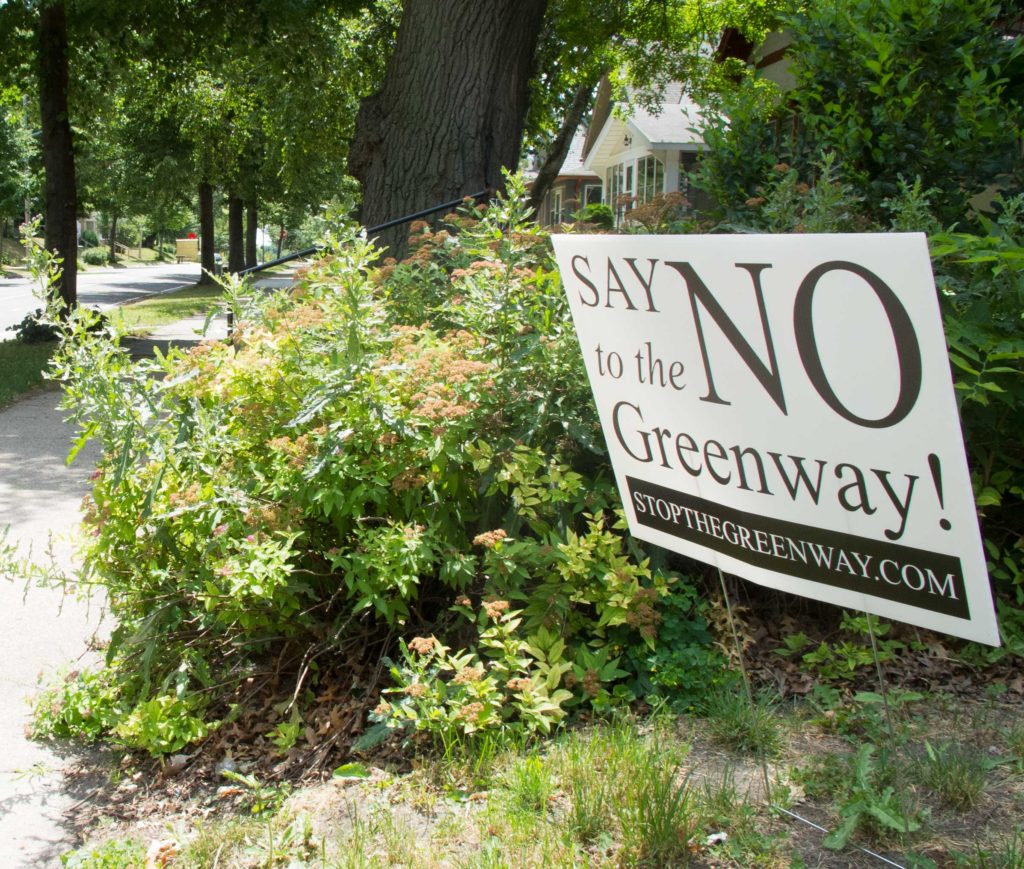
Arriving back in Oakland, I got stuck in traffic when #BlackLivesMatter closed down the freeway. It highlighted for me that the most interesting things I’ve found on these research trips have been related to identity politics. From the exclusions of the Southern Walnut Creek bike path in Austin, to the controversy over the North Minneapolis Greenway (more on that later), to the lack of east-west connections in Columbus (more on that also), I keep coming across interesting social issues which play out in cycle infrastructure. It feels like a rich and timely topic.

Minneapolis neighborhoods

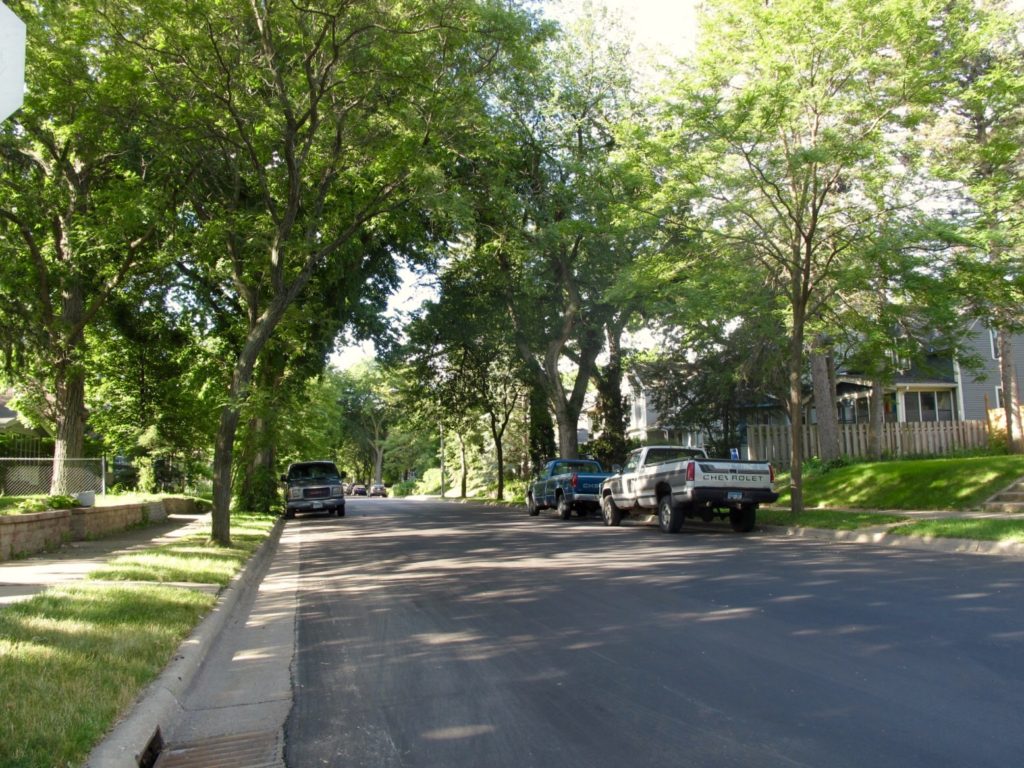
On my first morning in Minneapolis, the first thing I saw was a woman on a bike. The street grid where I was staying is almost entirely natural bikeway. The residential streets are relatively narrow and tree-lined. Driveways are mostly in alleyways behind the houses, so the streetscape is continuous and human-friendly. Various cues like the lack of pavement markings signal to drivers that these are low-speed neighborhood streets.

Wrapping up Austin

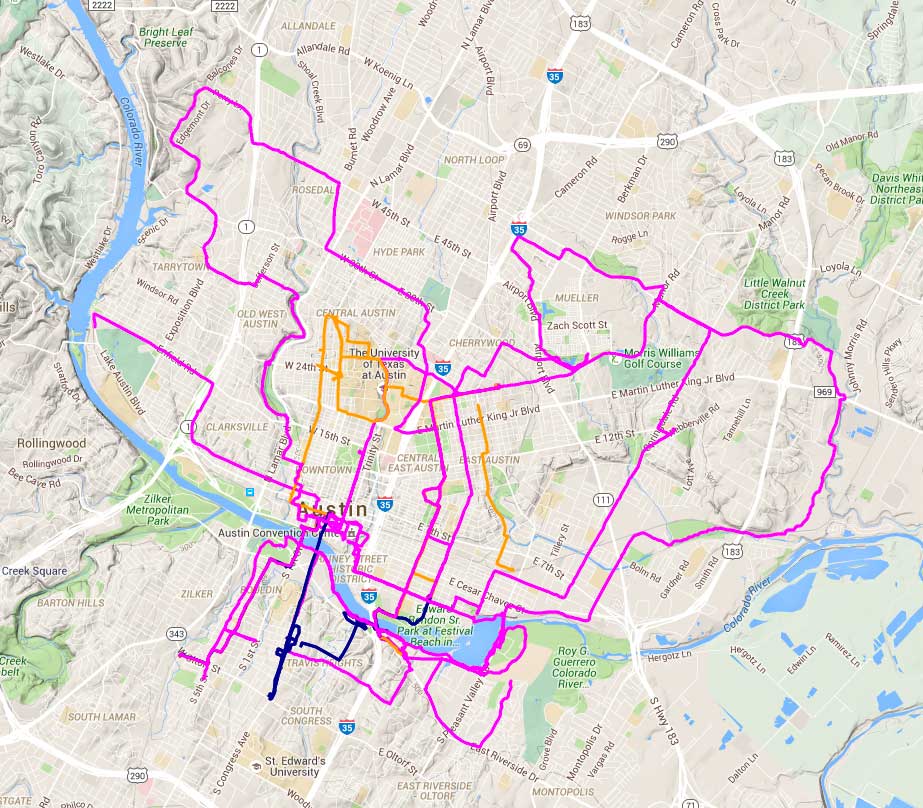
We covered a lot of ground in Austin; 222km, over double what I did in Charlotte. It’s unfortunate that UT Austin (more or less in the center of this map) was not in session; you can see how much of the network is oriented towards the university. That’s a fairly fundamental problem for a summer research project on bike transportation–UMN and Ohio State will also be out of session when I visit Minneapolis and Columbus. I’ll have to see if I can manage to get back when the students are around.

Exclusions and “invisible cyclists”

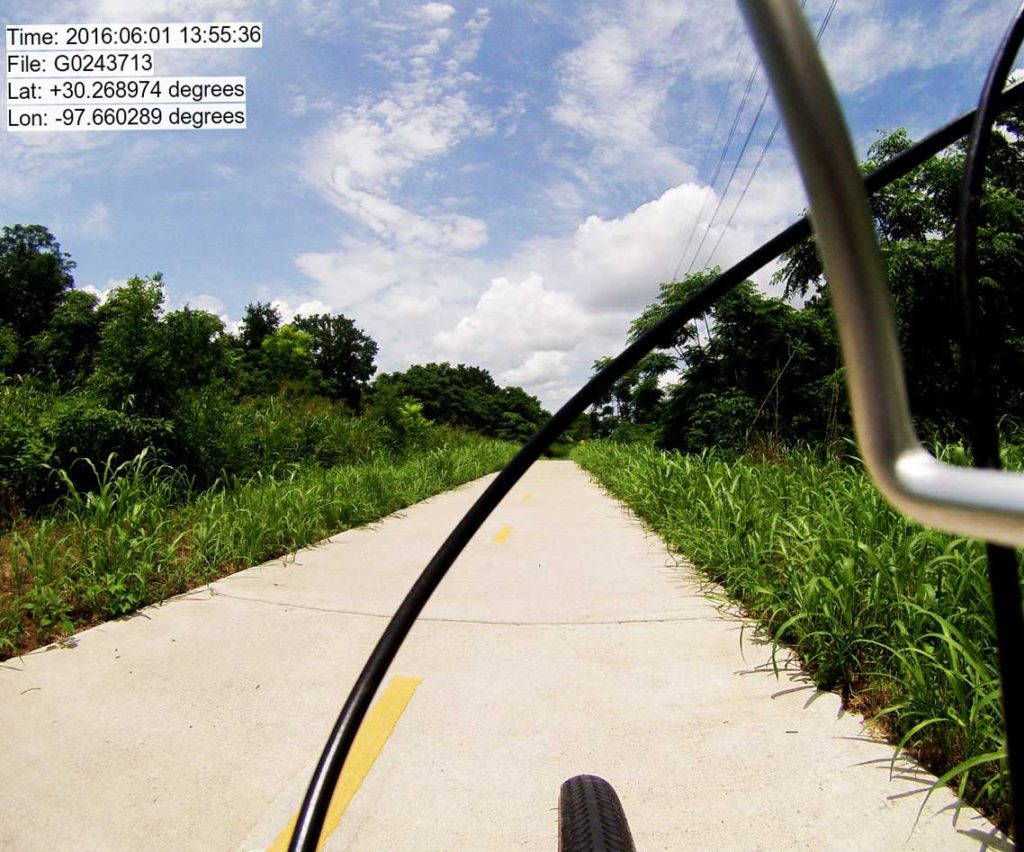
The most interesting finding of my first field trip came as I was riding through East Austin. The Southern Walnut Creek path is a freeway-style recreation path which bisected the neighborhood without connecting to it or addressing the issues of the residents. I believe that bike advocacy often takes a narrow and hegemonic view of what good streets look like, and that much advocacy work loses sight of the core goals of street projects (increasing safety and reducing car trips) in favor of projects which symbolically reassert cyclist privilege.

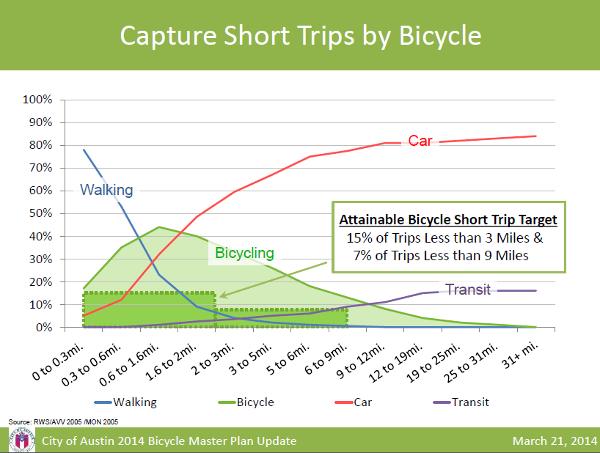
Achievable mode shares. From 2014 City of Austin Bike Plan

Austin Transportation Department

I met with folks from the Active Transportation department of the City of Austin, and they were super-helpful. One of the more interesting points they raised is the concept of “attainable mode share.” Bikes will never carry a large percentage of long trips, but for intermediate trips of 1-2 miles, the bike can be the preferred option. Also, a new flaw with the ACS mode share data: City boundaries change.

Columbus as “Smart City”

My Facebook feed is atwitter with urbanist friends congratulating Columbus for winning the USDOT’s Smart City Challenge, getting $50M in federal funds for so-called “smart” transportation.

My take: No thanks.

Scroll to Top